


Restoring Your Vehicle with Expert Collision Repair Solutions
When your vehicle suffers damage from an accident, the road to restoring it can feel overwhelming. I’ve been through the process myself, and I know how important it is to find reliable collision repair solutions that bring your car back to its original condition. Whether it’s a minor fender bender or a more serious collision, expert repair work can make all the difference in safety, appearance, and value.
In this post, I’ll share practical insights and tips on how to approach collision repair, what to expect, and how to ensure your vehicle is restored perfectly the first time.
Understanding Collision Repair Solutions
Collision repair solutions involve a range of services designed to fix the damage caused by vehicle accidents. These solutions go beyond just cosmetic fixes; they include structural repairs, mechanical work, and refinishing to restore your car’s safety and performance.
When I first started looking into collision repair, I learned that a good repair shop will:
Assess the full extent of the damage, including hidden issues
Use advanced tools and techniques to restore structural integrity
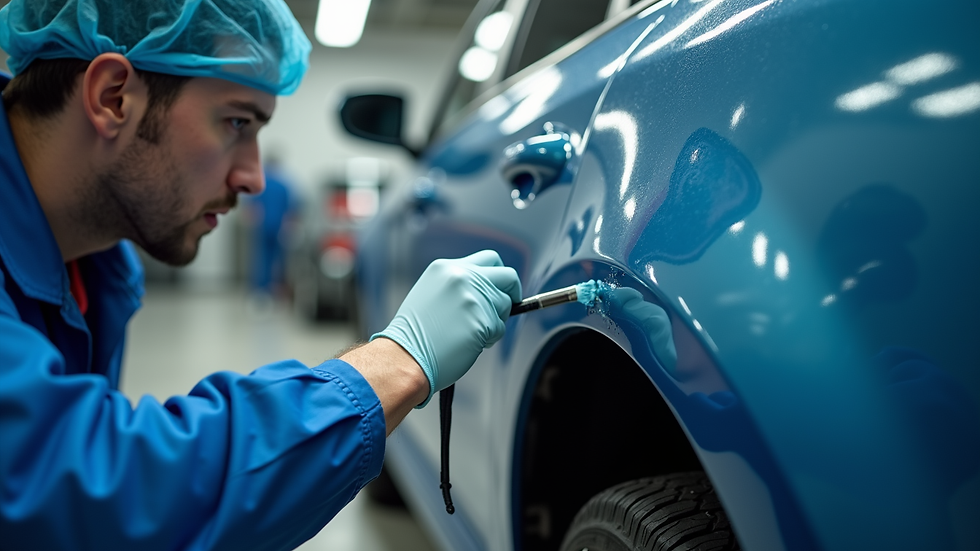
Match paint colors precisely for a seamless finish
Test the vehicle to ensure it drives safely after repairs
Choosing the right collision repair solutions means trusting a shop that prioritizes quality and customer satisfaction. For example, I found that shops offering comprehensive services, including frame straightening and computerized paint matching, deliver the best results.

Why Professional Collision Repair Services Matter
I cannot stress enough how important it is to use professional collision repair services when restoring your vehicle. Attempting DIY fixes or choosing a less experienced shop can lead to incomplete repairs, safety risks, and a drop in your vehicle’s resale value.
Professional collision repair services ensure:
Safety: Proper repairs restore the vehicle’s crashworthiness.
Durability: Quality materials and techniques prevent future issues.
Appearance: Expert paint matching and bodywork make your car look like new.
Insurance Compliance: Certified shops work directly with insurers for smooth claims.
When I had my car repaired, the technicians explained every step and showed me how they used state-of-the-art equipment. This transparency gave me confidence that my vehicle was in good hands.
How much does collision repair typically cost?
One of the first questions I had was about the cost of collision repair. The truth is, prices vary widely depending on the damage severity, vehicle make and model, and the repair shop’s expertise.
Here are some typical cost factors to consider:
Minor Repairs: Small dents, scratches, or bumper damage can range from $300 to $1,000.
Moderate Damage: Repairs involving panels, lights, or minor frame work usually cost between $1,000 and $5,000.
Severe Damage: Major structural repairs, engine or suspension work, and full paint jobs can exceed $5,000.
Keep in mind that insurance coverage and deductibles will affect your out-of-pocket expenses. When I got my estimate, the shop provided a detailed breakdown, which helped me understand where the money was going.
To save money without compromising quality, I recommend:
Getting multiple quotes from reputable shops
Confirming that the shop uses OEM (Original Equipment Manufacturer) parts
Asking about warranties on repairs and paintwork
Steps to Take After a Collision
After an accident, it’s crucial to act quickly and methodically to ensure your vehicle is repaired properly. Here’s the process I followed, which I believe can help anyone in a similar situation:
Document the Damage: Take photos from multiple angles immediately after the collision.
Contact Your Insurance: Report the accident and provide all necessary information.
Choose a Trusted Repair Shop: Look for shops with good reviews and certifications.
Get a Detailed Estimate: Request a written estimate that covers all repairs.
Approve the Repairs: Confirm the scope of work and timeline before work begins.
Inspect the Vehicle Post-Repair: Check for paint matching, panel alignment, and test drive the car.
Following these steps helped me avoid surprises and ensured my vehicle was restored to a safe and attractive condition.
Tips for Maintaining Your Vehicle After Collision Repair
Once your vehicle is repaired, maintaining its condition is key to preserving the quality of the work done. Here are some tips I found useful:
Wash and Wax Regularly: Protect the new paint from environmental damage.
Avoid Harsh Chemicals: Use gentle cleaning products to prevent paint deterioration.
Inspect for Issues: Periodically check for any signs of rust or paint peeling.
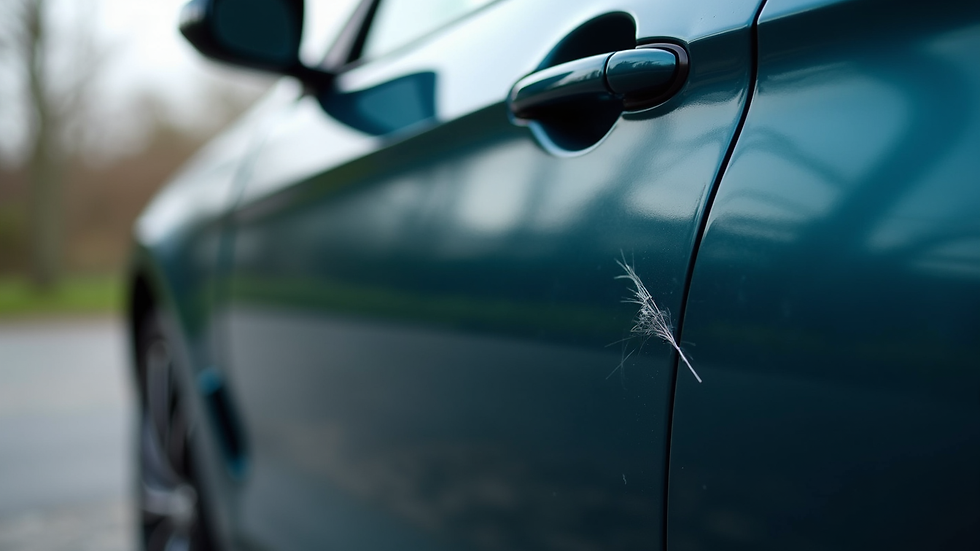
Address Minor Damage Quickly: Fix chips or scratches early to prevent bigger problems.
Follow Up with the Repair Shop: Use any warranties or guarantees offered.
By taking these steps, I’ve kept my vehicle looking great and avoided costly repairs down the line.
Building Trust with Your Collision Repair Shop
Finding a collision repair shop you can trust is essential. I learned that the best shops focus on building lasting relationships by delivering consistent quality and excellent customer service.
Look for these qualities when choosing a shop:
Certifications and Training: Technicians should be certified by recognized industry bodies.
Transparent Communication: The shop should explain repairs clearly and keep you updated.
Customer Reviews: Positive feedback from other vehicle owners is a good sign.
Warranty on Repairs: A solid warranty shows confidence in their work.
Convenient Location and Services: Shops that offer rental car assistance or pick-up/drop-off services add value.
By prioritizing these factors, you can feel confident that your vehicle will be restored perfectly the first time.
Restoring your vehicle after a collision is a process that requires care, expertise, and attention to detail. With the right collision repair solutions, you can get your car back on the road looking and performing like new. Remember to choose a trusted repair shop, understand the repair process, and maintain your vehicle well after the work is done. Your vehicle deserves nothing less than expert care.

Comments