


Insurance Collision Repair Guide: Understanding Collision Repair Services for Your Vehicle
When your vehicle suffers damage from an accident, knowing what to expect from collision repair can make the process much smoother. I’ve been through this myself, and I understand how overwhelming it can be to navigate repairs, insurance claims, and finding a trustworthy shop. This guide will walk you through the essentials of collision repair, helping you make informed decisions to get your vehicle back on the road safely and looking great.
What Is Collision Repair and Why Is It Important?
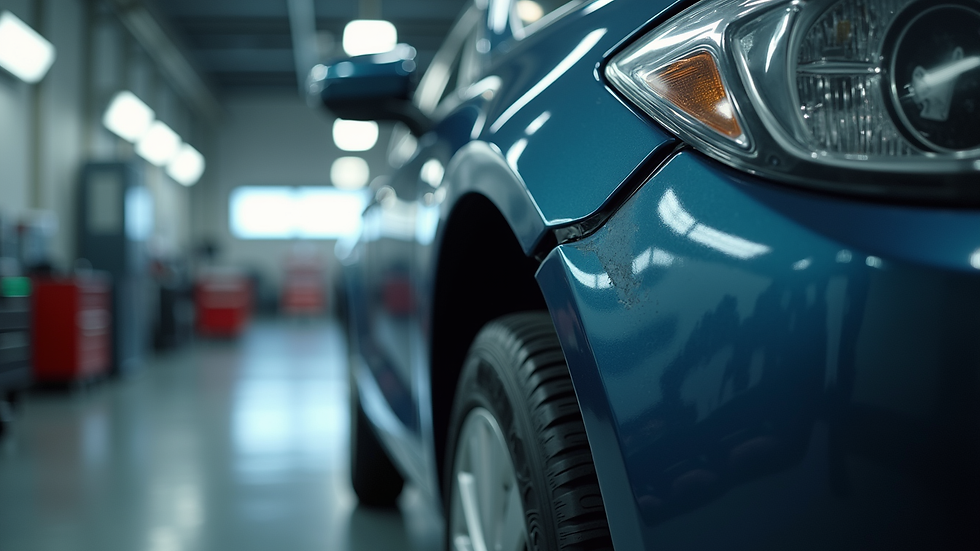
Collision repair involves restoring a vehicle to its pre-accident condition after it has been damaged in a crash. This process is more than just fixing dents or scratches; it includes structural repairs, mechanical fixes, and repainting to ensure your car is safe and visually flawless.
When I first faced collision repair, I learned that quality matters. Poor repairs can lead to safety issues or reduce your vehicle’s value. For example, if the frame isn’t properly aligned, it can affect handling and tire wear. That’s why choosing a reputable repair shop is crucial.
Collision repair typically includes:
Damage assessment: A thorough inspection to identify all issues.
Frame straightening: Using specialized equipment to realign the vehicle’s structure.
Mechanical repairs: Fixing or replacing damaged parts like suspension or brakes.
Bodywork: Repairing dents, scratches, and replacing panels.
Painting: Matching the original paint color and applying a durable finish.
Final inspection: Ensuring everything meets safety and quality standards.
Understanding these steps helped me appreciate the complexity behind what might seem like simple repairs.

Insurance Collision Repair Guide: Navigating Your Claim and Repair Process
Dealing with insurance after an accident can be confusing. I found that knowing how insurance works with collision repair saved me time and stress. Here’s a straightforward guide to help you through the process:
Report the accident: Notify your insurance company as soon as possible.
File a claim: Provide all necessary details and photos of the damage.
Get an estimate: Your insurer may send an adjuster or ask you to visit a repair shop for an estimate.
Choose a repair shop: You can select your preferred shop, but check if your insurer has a network of recommended providers.
Approve repairs: Once the estimate is approved, the shop will begin work.
Rental car: Ask your insurer if rental coverage is included while your vehicle is being repaired.
Final inspection and payment: After repairs, inspect your vehicle and settle any remaining costs.
One tip I learned is to keep all documents and communication organized. This helps if any disputes arise or if you need to follow up on your claim.

How Much Does Collision Repair Typically Cost?
Cost is often the biggest concern when facing collision repairs. From my experience, repair costs vary widely depending on the extent of damage, vehicle make and model, and labor rates in your area.
Here are some typical cost ranges:
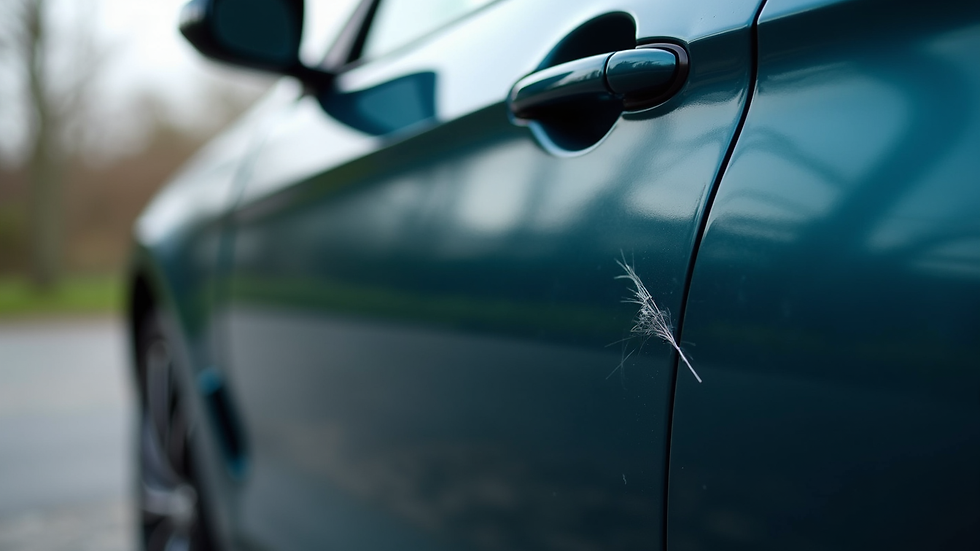
Minor dents and scratches: $150 to $600
Moderate damage (bumper, fender replacement): $600 to $2,000
Severe damage (frame repair, multiple parts): $2,000 to $10,000 or more
Keep in mind that paint matching and blending can add to the cost, especially for metallic or custom finishes. Also, if your vehicle has advanced safety features or sensors, repairs may require specialized equipment and expertise.
To avoid surprises, always ask for a detailed written estimate before work begins. A reputable shop will explain the costs and options clearly.
Choosing the Right Collision Repair Shop in Visalia
Finding a reliable collision repair shop is key to getting your vehicle fixed right the first time. When I was searching for a shop, I looked for these qualities:
Certifications: Look for shops certified by industry organizations, which indicates trained technicians and quality standards.
Experience: A shop with years of experience handling various makes and models is preferable.
Customer reviews: Check online reviews and ask for references to gauge customer satisfaction.
Warranty: A good shop stands behind its work with warranties on repairs and paint.
Communication: Choose a shop that keeps you informed throughout the repair process.
Visalia has several options, but I recommend prioritizing shops that focus on quality and customer service. This ensures your vehicle is restored safely and looks as good as new.
Tips for Maintaining Your Vehicle After Collision Repairs
Once your vehicle is repaired, maintaining it properly helps preserve the quality of the work and your car’s value. Here are some tips I follow:
Wash regularly: Dirt and debris can damage fresh paint, so keep your car clean.
Avoid harsh chemicals: Use gentle car wash products to protect the finish.
Inspect for issues: Check for any signs of paint peeling, rust, or alignment problems.
Follow up with the shop: If you notice any issues related to the repair, contact the shop promptly.
Keep records: Save all repair documents and photos for future reference or resale.
Taking these steps helped me extend the life of my repairs and maintain my vehicle’s appearance.
Understanding the collision repair process and how to work with your insurance can make a big difference when your vehicle needs attention. By choosing a trusted repair shop and staying informed, you can ensure your car is restored safely and beautifully. If you want to learn more about collision repair services and how to protect your investment, don’t hesitate to reach out to professionals who prioritize quality and customer care.

Comments