


Comprehensive Vehicle Body Restoration Solutions
When your vehicle suffers damage from a collision or wear and tear, finding the right solution for vehicle body restoration is crucial. I understand how important it is to restore your car to its original condition, not just for aesthetics but also for safety and value. In this post, I will walk you through the essential aspects of comprehensive vehicle body restoration, sharing practical advice and insights to help you make informed decisions.
Understanding Vehicle Body Restoration
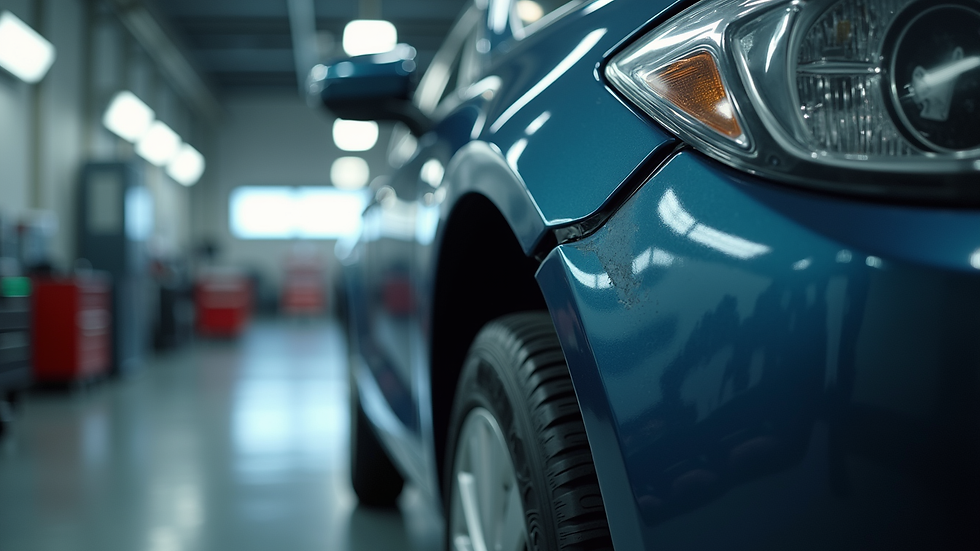
Vehicle body restoration involves repairing and refinishing the exterior of your car after damage. This process can range from fixing minor dents and scratches to rebuilding major structural components. The goal is to bring your vehicle back to its pre-accident condition, ensuring it looks great and functions safely.
Restoration typically includes:
Dent removal: Using techniques like paintless dent repair to fix small dents without affecting the paint.
Panel replacement: Swapping out damaged panels such as doors, fenders, or bumpers.
Frame straightening: Correcting any misalignment in the vehicle’s frame to ensure proper handling.
Paint matching and refinishing: Applying paint that perfectly matches your car’s original color for a seamless look.
Choosing a reputable shop that specializes in vehicle body restoration is key. They will have the right tools, technology, and expertise to handle everything from minor cosmetic fixes to complex structural repairs.

The Importance of Quality Vehicle Body Restoration
Quality vehicle body restoration is more than just making your car look good. It directly impacts your vehicle’s safety, performance, and resale value. Poor repairs can lead to issues such as rust, misaligned panels, or compromised structural integrity.
Here are some reasons why investing in professional restoration matters:
Safety: Proper repairs ensure that your vehicle’s safety features, like airbags and crumple zones, function correctly in future accidents.
Durability: High-quality paint and bodywork protect your car from corrosion and environmental damage.
Appearance: A flawless finish maintains your vehicle’s aesthetic appeal and pride of ownership.
Value retention: Well-restored vehicles retain higher resale value and attract more buyers.
When selecting a service provider, look for certifications, customer reviews, and guarantees. A trusted collision repair shop will stand behind their work and use OEM (Original Equipment Manufacturer) parts when necessary.
How much do body repairs cost?
One of the most common questions I get is about the cost of vehicle body restoration. The price can vary widely depending on the extent of the damage, the type of vehicle, and the quality of materials used.
Here’s a rough breakdown of typical costs:
Minor dents and scratches: $50 to $500
Small repairs like paintless dent removal or touch-up paint usually fall in this range.
Moderate damage: $500 to $2,500
This includes panel replacements, repainting, and minor frame straightening.
Severe damage: $2,500 and up
Major collision repairs involving structural work, multiple panel replacements, and full paint jobs can be costly.
Keep in mind that insurance coverage often helps offset these expenses. It’s important to get a detailed estimate from your repair shop and understand what your insurance will cover. Also, cheaper repairs may not always be the best choice if they compromise quality.

Choosing the Right Auto Body Repair Shop
Finding the right shop for your vehicle body restoration is essential to ensure the job is done right the first time. Here are some tips to help you choose:
Check certifications: Look for shops certified by industry organizations such as I-CAR or ASE.
Read reviews: Customer feedback can reveal the quality of work and customer service.
Ask about warranties: A reputable shop will offer guarantees on their repairs.
Visit the facility: A clean, organized shop with modern equipment is a good sign.
Request detailed estimates: Transparency in pricing and repair plans is important.
When you bring your vehicle in, ask questions about the repair process and materials used. A trustworthy shop will explain everything clearly and keep you updated throughout the restoration.
If you want to learn more about professional auto body repair, visiting a local trusted shop can provide personalized advice and service.
Tips for Maintaining Your Vehicle After Restoration
Once your vehicle has been restored, maintaining its appearance and condition is vital to prolong the life of the repairs. Here are some practical tips:
Regular washing and waxing: This protects the paint from dirt, salt, and UV damage.
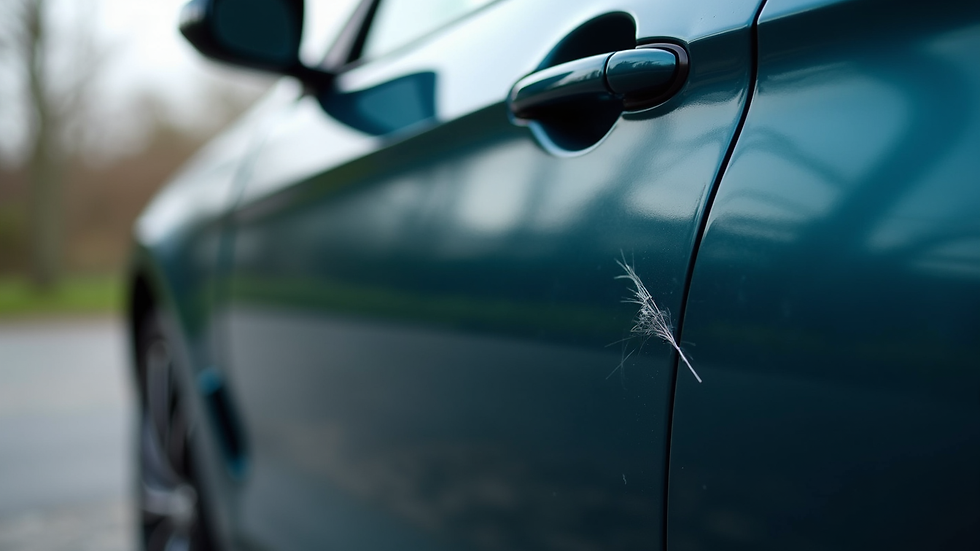
Promptly address chips and scratches: Small damages can lead to rust if left untreated.
Avoid harsh chemicals: Use car-specific cleaning products to prevent paint damage.
Park in shaded or covered areas: This reduces exposure to sun and weather.
Schedule routine inspections: Have your vehicle checked periodically for any signs of wear or damage.
By following these steps, you can keep your vehicle looking great and functioning safely for years to come.
The Value of Trustworthy Vehicle Body Restoration Services
Choosing a reliable and experienced vehicle body restoration service is an investment in your vehicle’s future. A trusted shop not only fixes the visible damage but also ensures your car’s safety and longevity.
I recommend prioritizing shops that emphasize quality, customer satisfaction, and transparency. This approach helps avoid costly rework and builds confidence that your vehicle is in good hands.
Remember, vehicle body restoration is about more than just aesthetics - it’s about restoring your peace of mind every time you get behind the wheel.
I hope this guide helps you understand the comprehensive solutions available for vehicle body restoration. Whether you face minor dents or major collision damage, the right approach and expert care will get your vehicle back on the road looking and performing its best.

Comments