


Comprehensive Guide to Vehicle Body Restoration
When your vehicle suffers damage from a collision or wear and tear, knowing how to approach vehicle body restoration can save you time, money, and stress. I’ve spent years learning the ins and outs of this process, and I want to share everything you need to know to get your car looking and driving like new again.
Understanding Vehicle Body Restoration
Vehicle body restoration is more than just fixing dents or repainting a car. It involves a detailed process of repairing, replacing, and refinishing damaged parts to restore the vehicle’s original appearance and structural integrity. Whether it’s a minor fender bender or a major collision, the goal is to bring your car back to its pre-accident condition.
The process typically starts with a thorough inspection to assess the damage. This includes checking the frame, panels, paint, and mechanical components. From there, technicians decide which parts need repair or replacement. Common steps include:
Dent removal using specialized tools to reshape metal.
Panel replacement for severely damaged sections.
Frame straightening to ensure the vehicle’s structure is safe.
Surface preparation including sanding and priming.
Painting and clear coating to match the original color and finish.
Each step requires precision and expertise to ensure the vehicle not only looks great but is safe to drive.

Key Steps in Vehicle Body Restoration
When I first started learning about vehicle body restoration, I realized how important each step is to the final outcome. Here’s a breakdown of the key stages you can expect:
1. Damage Assessment and Estimate
The first thing I do is carefully inspect the vehicle to identify all visible and hidden damage. This includes checking for frame misalignment, which can affect safety. After the assessment, I provide a detailed estimate outlining the necessary repairs and costs.
2. Disassembly
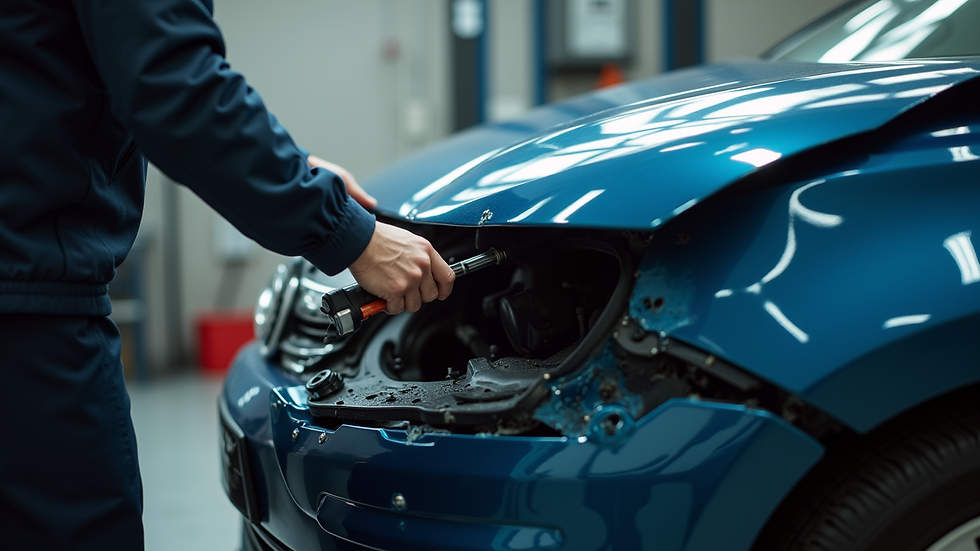
To access damaged areas, parts like bumpers, lights, and trim may need to be removed. This step helps reveal any underlying issues that might not be obvious at first glance.
3. Repair or Replacement
Depending on the damage, panels may be repaired using techniques like paintless dent removal or replaced entirely. Frame damage requires specialized equipment to realign the chassis to factory specifications.
4. Surface Preparation
Before painting, the surface must be sanded, cleaned, and primed. This ensures the paint adheres properly and the finish is smooth.
5. Painting
Matching the original paint color is critical. Modern paint systems use computerized color matching to achieve a seamless look. Multiple coats of paint and clear coat are applied for durability and shine.
6. Reassembly and Quality Check
Once painting is complete, all parts are reinstalled. A final inspection ensures everything fits correctly and the vehicle meets safety standards.
This detailed process is why choosing a trusted repair shop is so important. They have the tools and expertise to handle every step with care.
What is the $3000 rule for cars?
You might have heard about the "$3000 rule" when it comes to car repairs. This rule is a general guideline used by insurance companies and repair shops to decide whether a vehicle should be repaired or considered a total loss.
The rule states that if the cost of repairs exceeds $3000, it might not be economically viable to fix the car, especially if the vehicle’s market value is low. In such cases, the insurer may declare the car a total loss and offer a payout instead of paying for repairs.
However, this rule is not absolute. Factors like the car’s age, sentimental value, and the quality of repairs needed can influence the decision. For example, if you own a classic or well-maintained vehicle, investing in vehicle body restoration might be worthwhile even if costs are higher.
Understanding this rule helps you make informed decisions about your vehicle after an accident.
Tips for Choosing the Right Vehicle Body Restoration Shop
Finding the right shop for your vehicle body restoration is crucial. Here are some tips I’ve learned to help you pick a reliable and skilled repair center:
Check certifications: Look for shops certified by recognized organizations like I-CAR or ASE. Certification means technicians have undergone proper training.
Read reviews: Customer feedback can reveal the quality of work and customer service.
Ask about warranties: A reputable shop will stand behind their work with warranties on repairs and paint.
Visit the facility: A clean, organized shop with modern equipment is a good sign of professionalism.
Get multiple estimates: Comparing quotes helps you understand the scope of work and pricing.
Inquire about parts: Ensure the shop uses OEM (Original Equipment Manufacturer) parts or high-quality alternatives.
By following these tips, you can feel confident your vehicle is in good hands.
Maintaining Your Vehicle After Restoration
Once your vehicle has been restored, proper maintenance is key to preserving its appearance and value. Here are some practical tips I recommend:
Regular washing: Dirt and road salt can damage paint over time. Wash your car frequently, especially after winter or rainy seasons.
Waxing: Applying wax every few months protects the paint and enhances shine.
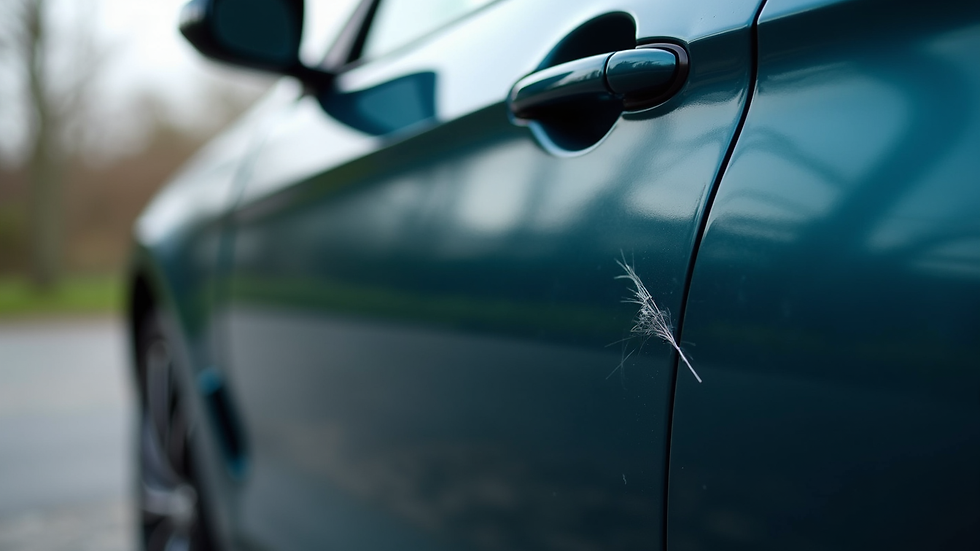
Prompt repairs: Address chips or scratches quickly to prevent rust.
Avoid harsh chemicals: Use car-specific cleaning products to avoid damaging the finish.
Park wisely: Whenever possible, park in shaded or covered areas to protect your vehicle from sun damage.
Taking these steps will help your vehicle look great and maintain its structural integrity for years to come.
Why Trust Professional Vehicle Body Restoration?
Vehicle body restoration is a complex process that requires skill, experience, and the right tools. Attempting DIY repairs or choosing an inexperienced shop can lead to poor results, safety issues, and higher costs down the road.
I always recommend trusting professionals who specialize in collision repair and paint services. They understand the nuances of different vehicle makes and models and follow industry standards to ensure your car is restored perfectly the first time.
If you want your vehicle to look like new and drive safely after an accident, professional restoration is the best investment you can make.
I hope this guide has given you a clear understanding of vehicle body restoration and how to approach it confidently. Whether you’re dealing with minor dents or major collision damage, knowing what to expect and how to choose the right repair shop will make the process smoother and more successful.
For those looking for expert auto body repair services, working with a trusted shop ensures your vehicle is restored with care and precision. Remember, your car deserves the best to keep you safe and looking good on the road.

Comments