


Comprehensive Guide to Auto Body Restoration
When your vehicle suffers damage from a collision or wear and tear, knowing how to approach auto body restoration can save you time, money, and stress. I’ve spent years learning the ins and outs of vehicle repair, and I want to share everything you need to know to get your car looking and driving like new again. Whether it’s a minor dent or major structural damage, understanding the process helps you make informed decisions and ensures your vehicle is restored safely and effectively.
Understanding Auto Body Restoration: What It Involves
Auto body restoration is more than just fixing dents or repainting your car. It’s a detailed process that involves repairing or replacing damaged parts, restoring the vehicle’s structural integrity, and bringing back its original appearance. This process can include:
Assessing damage: Identifying all visible and hidden damage to the frame, panels, and mechanical components.
Disassembly: Removing damaged parts to access underlying issues.
Structural repair: Straightening the frame or replacing structural components to ensure safety.
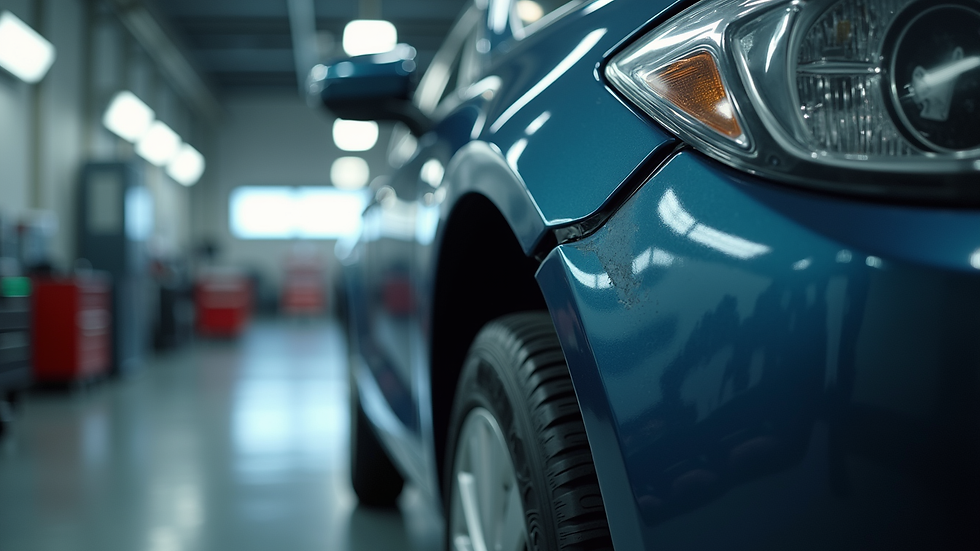
Panel repair or replacement: Fixing dents, scratches, or replacing entire panels.
Surface preparation: Sanding, priming, and smoothing surfaces for paint.
Painting and finishing: Applying paint that matches the original color and clear coats for protection.
Reassembly and quality check: Putting everything back together and ensuring the vehicle looks and functions perfectly.
Each step requires precision and expertise. For example, if the frame is bent, simply fixing the visible dents won’t restore the vehicle’s safety or performance. That’s why professional auto body restoration shops use specialized equipment like frame straighteners and computerized measuring systems.

Why Choose Professional Auto Body Restoration Services?
You might wonder if you can handle minor repairs yourself or opt for cheaper, quick fixes. While DIY projects can work for small scratches, professional restoration is essential for collision damage or significant wear. Here’s why:
Safety: Proper restoration ensures your vehicle’s frame and safety systems work as intended.
Quality: Professionals use high-grade materials and tools to match factory standards.
Longevity: Correct repairs prevent rust, corrosion, and further damage.
Warranty: Reputable shops often provide warranties on their work, giving you peace of mind.
Insurance compliance: Professionals handle insurance claims and ensure repairs meet legal requirements.
For example, after a collision, a professional shop will check airbags, sensors, and alignment, which are critical for your safety but easy to overlook.
How much do body repairs cost?
One of the most common questions I get is about the cost of body repairs. The truth is, prices vary widely depending on the extent of damage, the type of vehicle, and the quality of materials used. Here’s a rough breakdown:
Minor dents and scratches: $50 to $500
Panel replacement (door, fender, bumper): $500 to $1,500
Frame straightening and structural repairs: $1,000 to $5,000 or more
Full paint jobs: $1,000 to $4,000 depending on the finish and color matching
Keep in mind that luxury or rare vehicles may cost more due to specialized parts and paint. Also, hidden damage discovered during repair can increase costs.
To get the best value, always request a detailed estimate and ask about warranties. Some shops offer free inspections and work with your insurance company to streamline the process.

Tips for Maintaining Your Vehicle After Restoration
Once your vehicle is restored, maintaining its appearance and structural integrity is key to preserving your investment. Here are some practical tips:
Regular washing and waxing: Protects paint from dirt, salt, and UV damage.
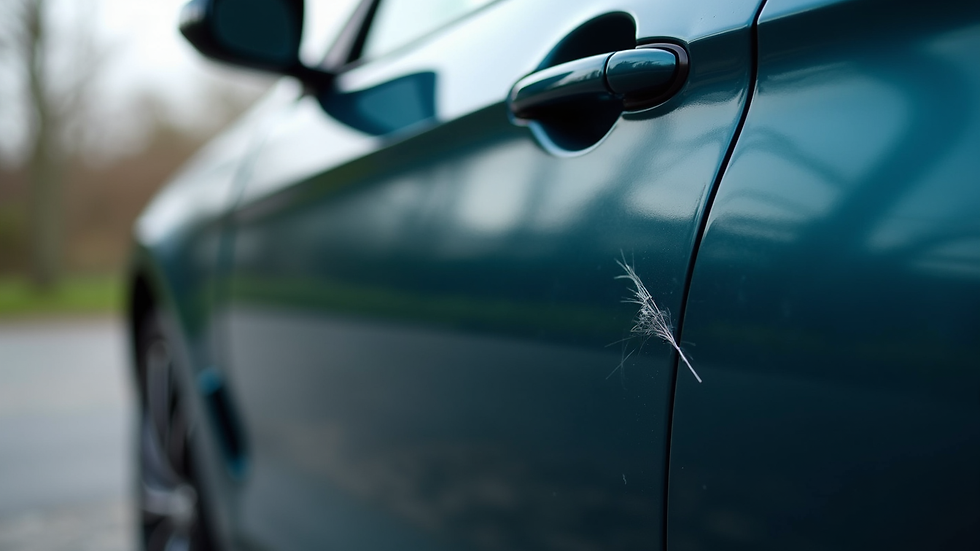
Promptly address chips and scratches: Prevents rust from forming.
Avoid harsh chemicals: Use car-specific cleaning products.
Park in shaded or covered areas: Reduces sun damage and fading.
Schedule routine inspections: Catch any issues early, especially after minor accidents.
By following these steps, you can keep your vehicle looking great and functioning safely for years.
Choosing the Right Auto Body Repair Shop
Finding a trustworthy shop is crucial. Here’s what I recommend looking for:
Certifications and experience: Look for ASE-certified technicians or I-CAR Gold Class shops.
Customer reviews and reputation: Check online reviews and ask for references.
Warranty on repairs: A good shop stands behind its work.
Use of modern equipment: Ensures precise and efficient repairs.
Clear communication: They should explain the process and costs upfront.
Visiting the shop in person can also give you a feel for their professionalism and cleanliness.
If you want to learn more about the process or find a reliable provider, consider checking out auto body repair services that specialize in quality and customer satisfaction.
Final Thoughts on Auto Body Restoration
Restoring your vehicle after damage is an investment in safety, appearance, and value. With the right knowledge and professional help, you can ensure your car is repaired correctly the first time. Remember, quality restoration is about more than looks - it’s about protecting you and your passengers on the road.
Taking the time to understand the process, costs, and maintenance will help you make smart decisions and keep your vehicle in top shape for years to come. Whether you’re dealing with a minor dent or major collision damage, trust the experts who prioritize quality and customer care.
Your vehicle deserves the best care, and with the right approach, it will serve you reliably for many miles ahead.

Comments