


Best Practices for Car Scratch Solutions
When I first noticed a scratch on my car, I was unsure about the best way to handle it. Scratches can be frustrating, especially when you want your vehicle to look its best. Over time, I learned that addressing these imperfections quickly and correctly can save a lot of hassle and expense. In this post, I will share the best practices for car scratch solutions that I have found effective. Whether the scratch is minor or more noticeable, these tips will help you restore your car’s appearance and protect its value.
Understanding Car Scratch Solutions
Before diving into repair methods, it’s important to understand the types of scratches and the solutions available. Scratches vary in depth and severity, and each requires a different approach.
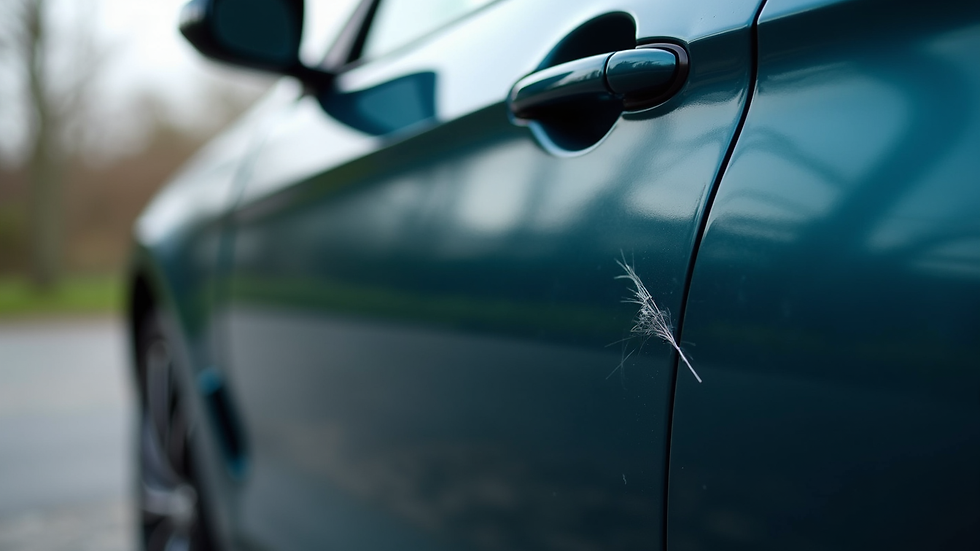
Surface scratches: These affect only the clear coat and are the easiest to fix.
Deeper scratches: These penetrate the paint layer and may expose the primer or metal underneath.
Rusty scratches: When metal is exposed, rust can form, complicating the repair.
Knowing the type of scratch helps you choose the right solution. For surface scratches, polishing or buffing might be enough. Deeper scratches often need touch-up paint or professional repair. Rusty scratches require immediate attention to prevent further damage.

Effective Car Scratch Solutions for Different Scratch Types
When I started repairing scratches, I realized that having the right tools and materials made a big difference. Here are some practical solutions based on scratch severity:
For light scratches:
Use a scratch removal product or rubbing compound.
Apply with a microfiber cloth in circular motions.
Buff the area gently to restore shine.
For medium scratches:
Clean the area thoroughly.
Use touch-up paint that matches your car’s color.
Apply thin layers and let each dry before adding more.
Finish with clear coat and polish.
For deep scratches and rust:
Sand the area lightly to remove rust.
Apply primer before painting.
Use professional-grade paint and clear coat.
Consider professional help for best results.
Using these solutions, I was able to handle most scratches myself. However, for extensive damage, professional repair ensures the best finish and durability.
How do you repair scratches on a car?
Repairing scratches on a car requires patience and attention to detail. Here’s a step-by-step guide I follow:
Clean the scratched area: Wash with soap and water, then dry completely.
Assess the scratch depth: Run your fingernail over the scratch. If it catches, it’s likely deeper.
Sand the scratch (if needed): Use fine-grit sandpaper to smooth edges of deep scratches.
Apply primer: For scratches exposing metal, apply a thin primer layer.
Apply touch-up paint: Use a small brush or pen to fill the scratch.
Let paint dry: Allow sufficient drying time between coats.
Apply clear coat: Protect the paint with a clear coat layer.
Polish and buff: Use a polishing compound to blend the repair with surrounding paint.
This process helped me restore my car’s finish and prevent rust from forming. It’s important to work in a dust-free environment and follow product instructions carefully.

Tips for Maintaining Your Car’s Paint After Repair
After repairing scratches, maintaining your car’s paint is crucial to keep it looking great. Here are some tips I recommend:
Wash regularly: Dirt and debris can cause new scratches.
Use proper washing tools: Soft sponges and microfiber towels reduce the risk of damage.
Apply wax or sealant: This adds a protective layer against environmental elements.
Park wisely: Avoid parking near bushes, shopping carts, or tight spaces.
Inspect frequently: Catch new scratches early before they worsen.
By following these maintenance tips, you can extend the life of your repair and keep your vehicle’s finish smooth and shiny.
When to Seek Professional Help for Car Scratch Repair
While DIY methods work for many scratches, some situations call for professional expertise. I found that professionals are best when:
The scratch is very deep or covers a large area.
Rust has started to form.
The paint color is complex or metallic.
You want a flawless, factory-quality finish.
Professional collision repair shops have the tools, paint matching technology, and experience to handle these challenges. If you want your car fixed perfectly the first time, trusting experts is a smart choice.
For those looking for reliable and trusted service, car scratch repair professionals can provide lasting results that protect your vehicle’s value.
Protecting Your Investment with Quality Repairs
Your vehicle is a significant investment, and scratches can reduce its value and appeal. I learned that addressing scratches promptly and correctly is key to preserving your car’s appearance and resale value. Whether you choose to repair minor scratches yourself or seek professional help for more serious damage, the goal is to maintain a smooth, glossy finish that lasts.
By following these best practices for car scratch solutions, you can keep your vehicle looking its best and avoid costly repairs down the road. Remember, quality repairs and regular maintenance go hand in hand to protect your car’s exterior and ensure it stays in top condition for years to come.

Comments